Animation seems to bring the impossible within reach. Heroes can fly, the landscape can change, and a single tear can sparkle as it falls through the air in slow motion. But behind all of this, there is much work involved. Every move, expression, and light effect is carefully planned and created before it reaches the screen. What looks quick to the audience is actually the result of many creative choices coming together perfectly. Are you planning to create some amazing animation for the future? Then the best animation courses in Kolkata are the option that you should pick.
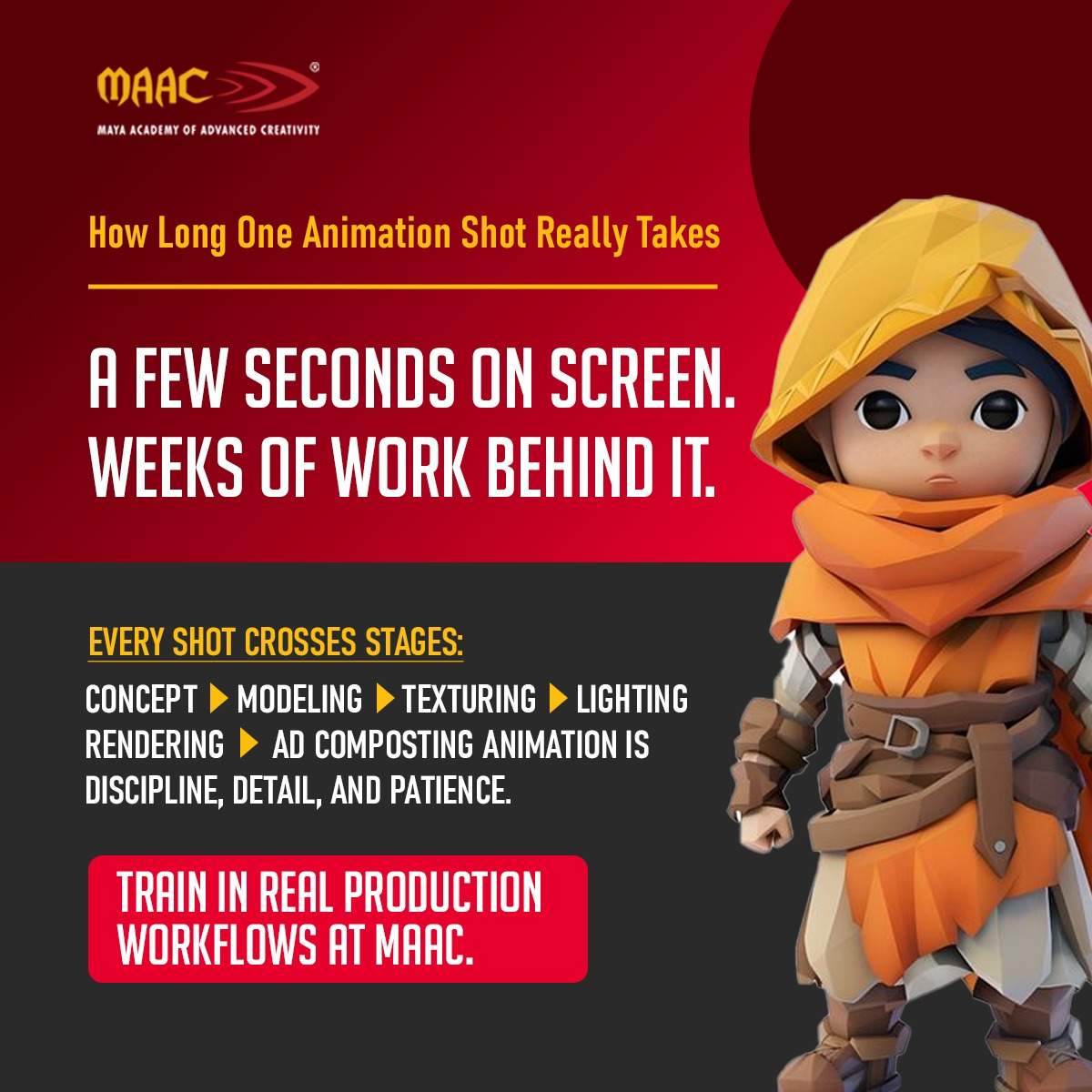
Creating an animation shot can take anywhere from days to months, depending on its complexity. Artists begin by making rough sketches or simple digital models. They work on timing, movement, texture, lighting, and final touches. Even a five-second scene can be made up of hundreds of frames, each one fine-tuned. Animation is not just about making pictures move. It is about bringing life into static images, one well-crafted moment at a time.
Duration of Creating an Animation Shot
An animation shot can be just a few seconds long, but the process of creating it is long and precise, requiring meticulous planning and fine-tuning.
- Concept and storyboarding
Before the animation begins, the crew will plan out the shot with meticulous planning through either sketches or storyboards. This is an essential part of the process, as they will establish the fundamental elements of the scene, such as the camera angle, the position of the character, and the mood of the scene. Each of these sketches will provide a visual representation of the movement of the character in the scene. This will provide the crew with a better understanding of the vision of the scene and minimize the chances of changes in the future that could become costly. If you need clarity on this, a proper animation academy in Kolkata can help.
- Animation (frame-by-frame work)
In this critical phase of production, the animation is refined to perfect the movement, expressions, timing, and body mechanics. A standard five-second scene will have around 120 frames if it’s played back at 24 frames per second. The frames are perfected to enhance the level of realism and emotion. Intricate movements and close-ups can take a lot longer than other movements, sometimes taking days or even weeks to perfect a scene.
- Lighting and texturing
Once the motion is complete, the artists add textures, colors, shadows, and lighting adjustments to the scene for increased visual impact. Good lighting helps create the right mood and enhances realism, but it also requires fine-tuning to get the best outcome.
- Rendering
Rendering is the process of creating animated scenes and transforming them into stunning final images. This process requires significant computing power because each frame is carefully rendered to convey depth, color, and movement. Creating a high-quality frame can take several minutes to hours. Each picture consists of hundreds of frames, and the process of rendering complex scenes can take days of non-stop work. It is an obvious demonstration of the combination of art and technology in the field of animation.
- Compositing and final edits
In the final phase of the editing process, all the visual pieces come together to create a complete whole.The editing process ensures that backgrounds, effects, and color adjustments blend together to keep all the frames in sync with the overall look. Every single frame is given attention, from the smallest shot to the smooth transition, to create a video that flows smoothly from one scene to another. When sound and vision come together, the effect is enhanced and the story is more clearly conveyed.
Conclusion
Animation is where imagination, skill, and lots of patience come together. The seamless movement that is seen in the video is the product of many decisions and efforts. In animation, a mere handful of seconds can equal weeks of work.